
Landmarks & Living History of the Outer Banks
The Outer Banks is more than a coastline.
It is Indigenous homeland, a maritime crossroads, a place of freedom, survival & a community shaped by many worlds.
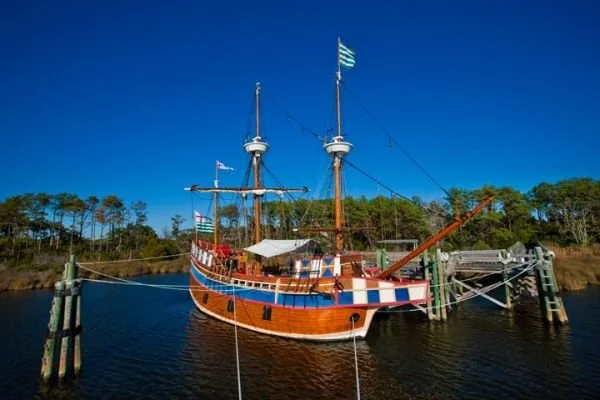
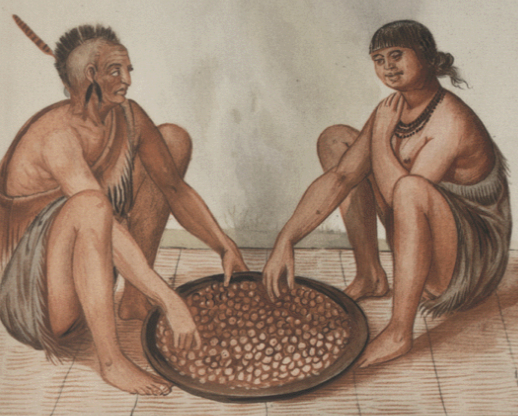
Fort Raleigh ~ Long before English ships arrived, Algonquian speaking peoples including the Croatan lived, traded & navigated these waters. Their presence is foundational to the story told at Fort Raleigh National Historic Site on Roanoke Island, where early colonial ambition & complex cultural exchange intersected.
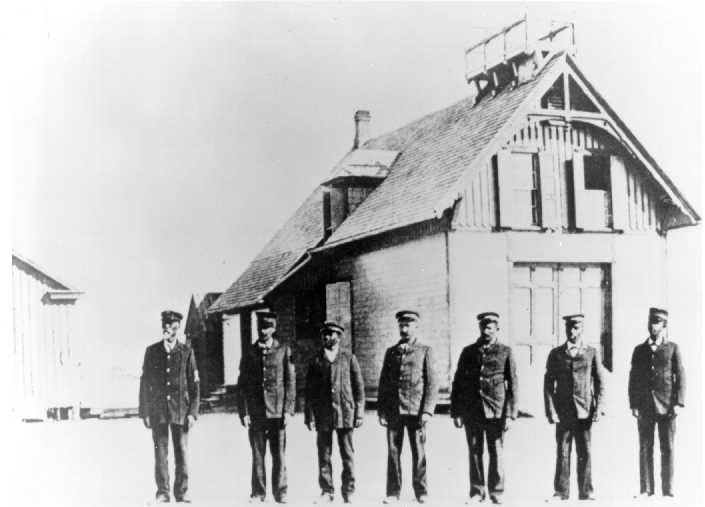
Pea Island Life Saving Station ~ The heroic surfmen of the Pea Island Life Saving Station, commemorated near Pea Island National Wildlife Refuge, carried out one of the most daring rescues in United States history in 1896. Their bravery remains one of the most powerful stories on this coast.
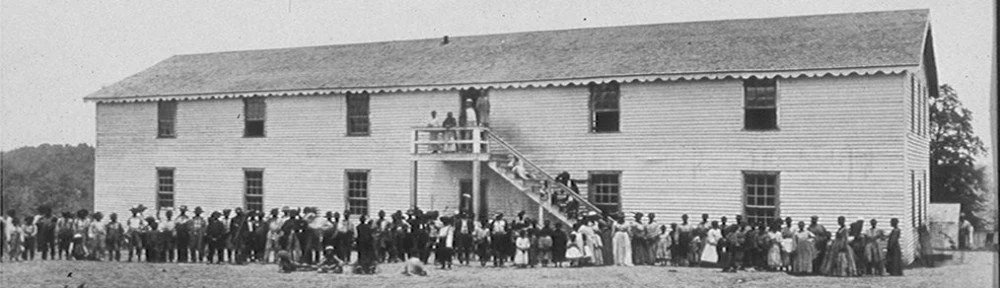
Freedmen’s Colonies ~ During the Civil War, Roanoke Island became home to one of the South’s first Freedmen’s Colonies. Formerly enslaved people built schools, churches & homes here, creating a self sustaining community rooted in independence. Today their legacy is honored near the North Carolina Aquarium on Roanoke Island, where a monument recognizes the United States Colored Troops and the Black men & women who helped reshape the island’s future.
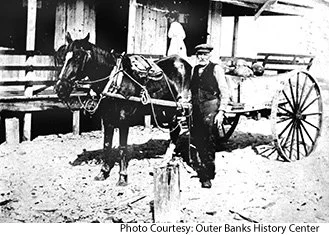
Wright Brothers National Memorial ~Even the story of flight at the Wright Brothers National Memorial reflects collaboration between innovators & local families who understood these winds & sands.
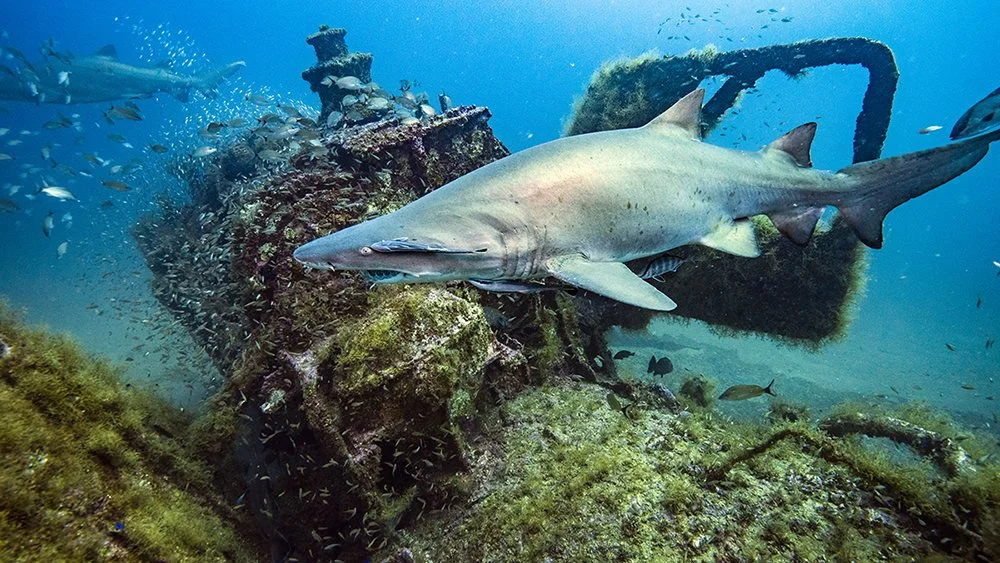
These islands have always been connected to the wider world. Shipwrecks, global trade routes, wartime convoys & immigrant sailors shaped life here. At the Graveyard of the Atlantic Museum & the Roanoke Island Maritime Museum visitors explore boatbuilding, fishing traditions & working water heritage influenced by generations of settlers & seafaring communities.
Jockey's Ridge State Park ~ At Jockey's Ridge State Park the tallest dunes on the East Coast rise from land shaped by storms, migration & endurance, much like the people who have built lives here.
The Outer Banks is not one story. It is layered with Indigenous roots, Black resilience, immigrant influence & maritime tradition.
To explore its landmarks is to engage with the full history of this coast.