
Wasps (Please Don't Judge Them Too Quickly)
Wasps tend to get a bad reputation, but most of the species you'll encounter on the Outer Banks are actually important pollinators and natural pest control. They spend much of their time hunting caterpillars, flies, mosquitoes and other insects we'd rather not have around.
Some of the more common visitors include:
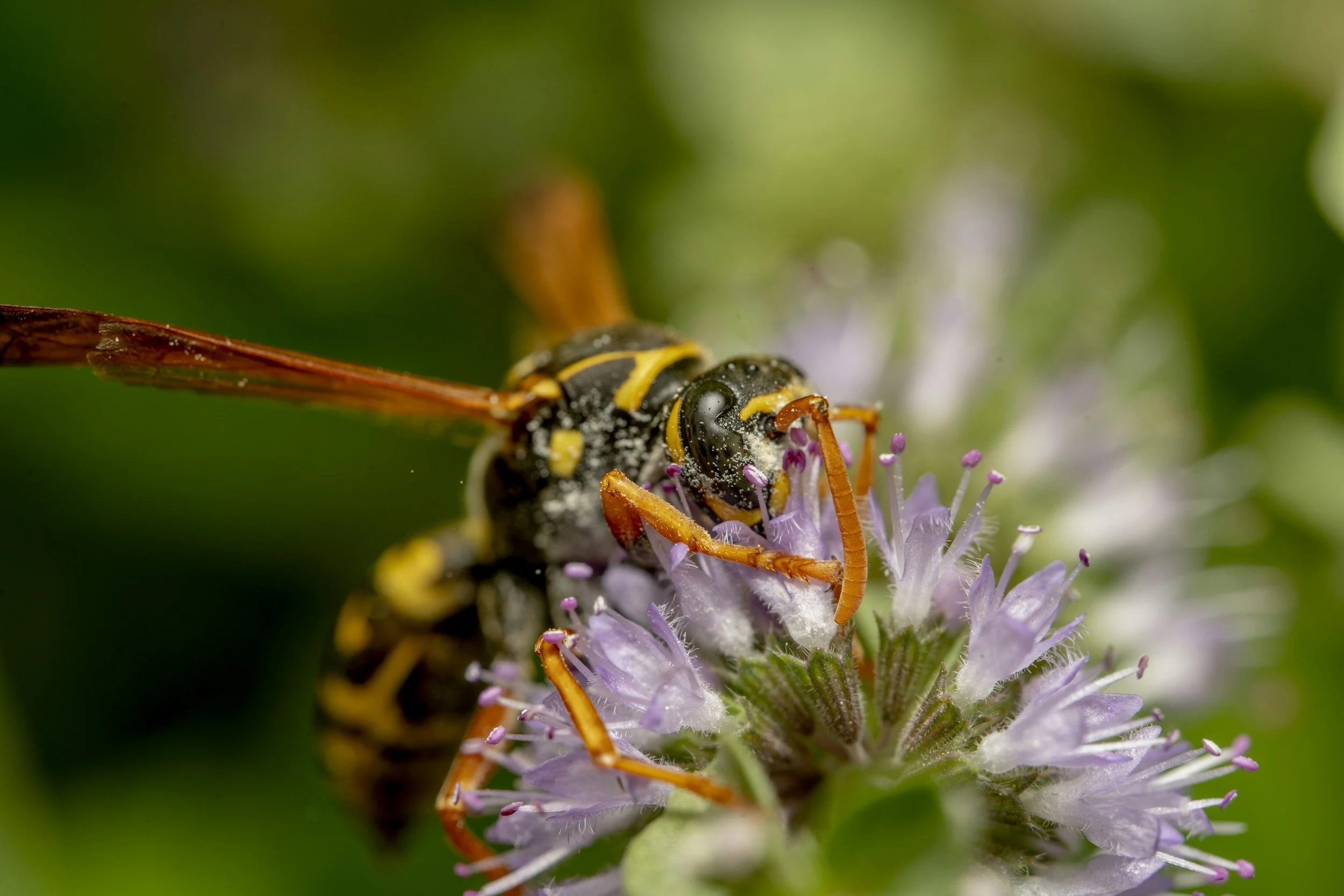
Paper Wasps – Probably the species you'll notice most often around homes. They build the familiar umbrella-shaped paper nests under eaves, railings, and porch ceilings. They're generally quite docile unless their nest is disturbed.
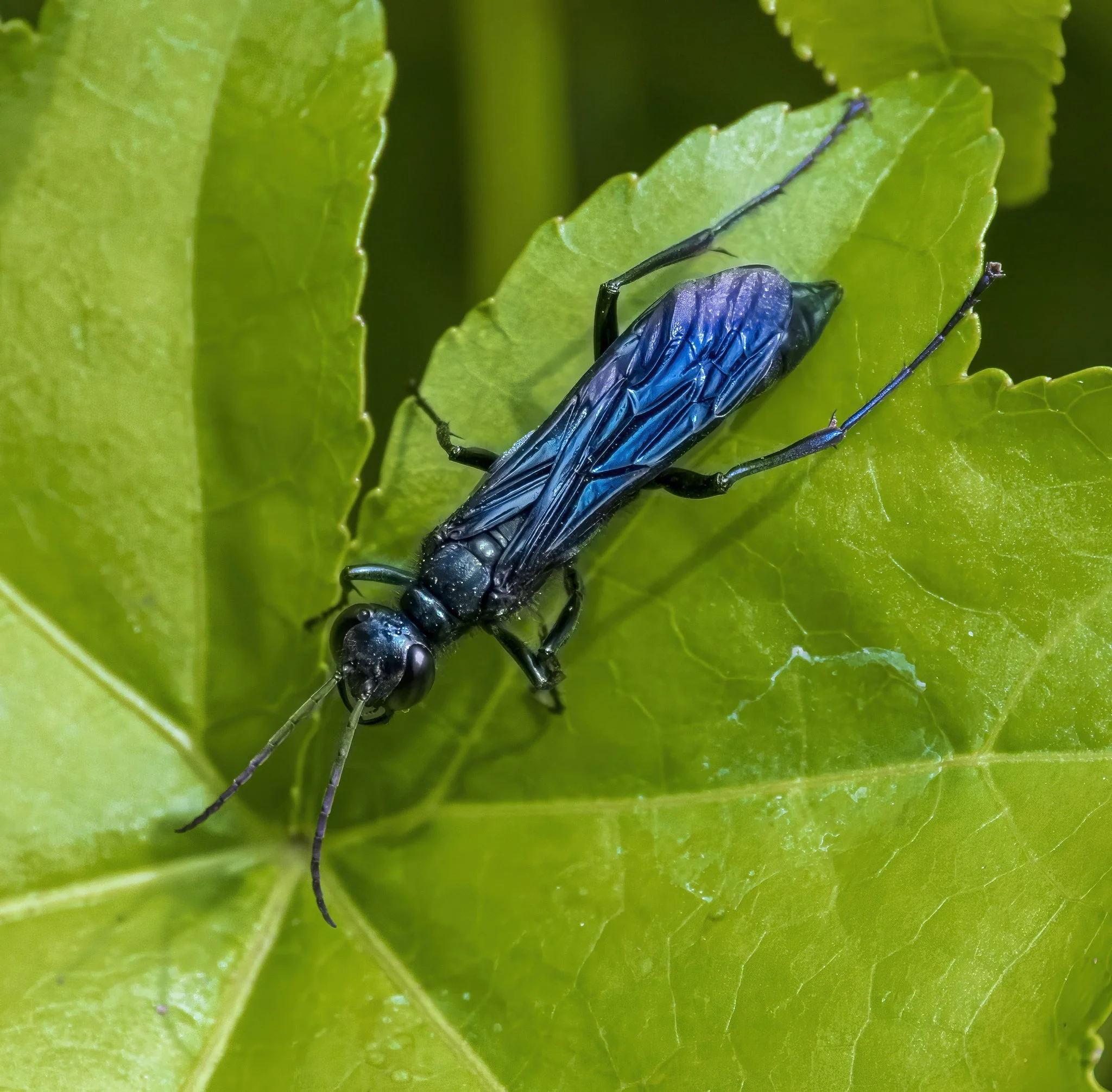
Mud Daubers – Long, skinny wasps that build little mud "apartments" on walls and ceilings. They're incredibly gentle and almost never sting people. Better yet, they hunt spiders—including black widows—and stock their nests with them for their young. They're basically tiny flying exterminators.
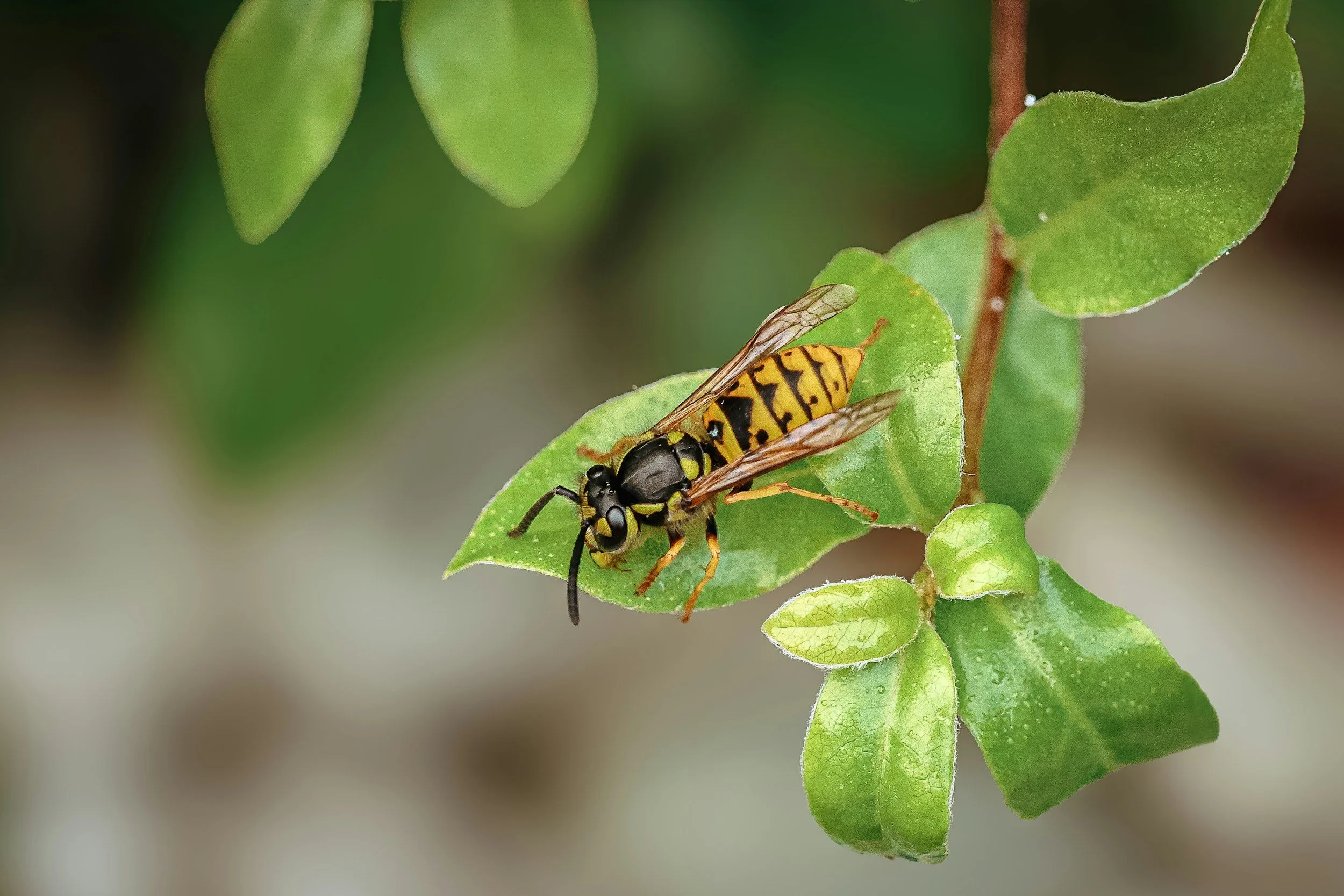
🟡 Yellowjackets – These are the tiny troublemakers of the wasp world. They're more defensive than most other wasps and become especially interested in your picnic, soda, or barbecue toward the end of summer. Give them space, keep food covered, and everyone usually gets along just fine.
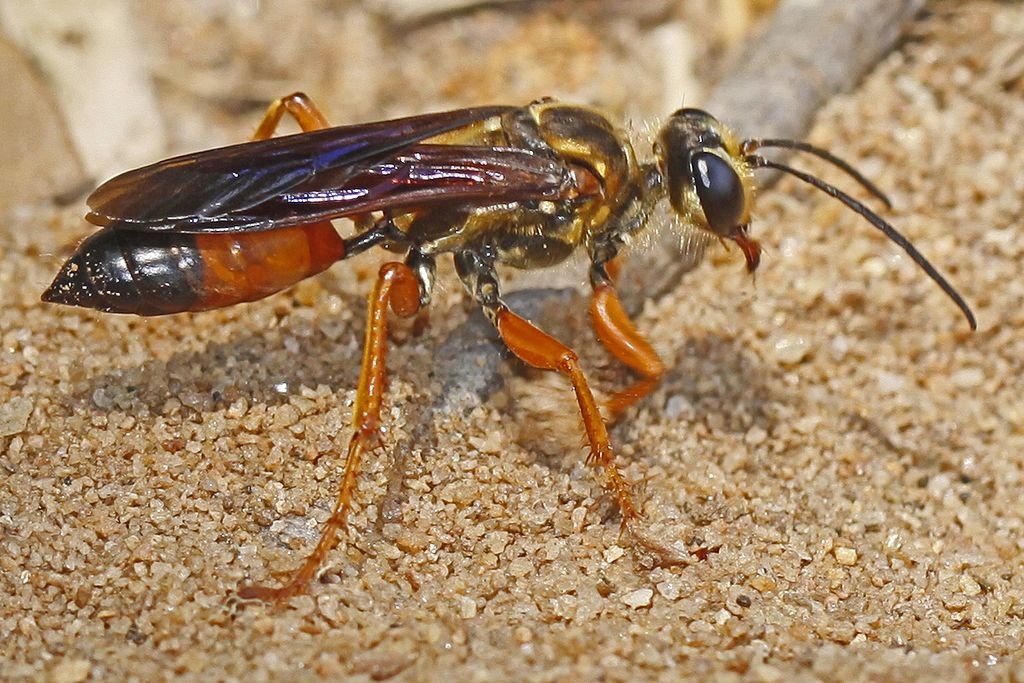
Great Golden Digger Wasps – Large, beautiful wasps with golden fuzz and reddish legs that dig burrows in sandy soil. They specialize in hunting grasshoppers and katydids and are excellent pollinators.
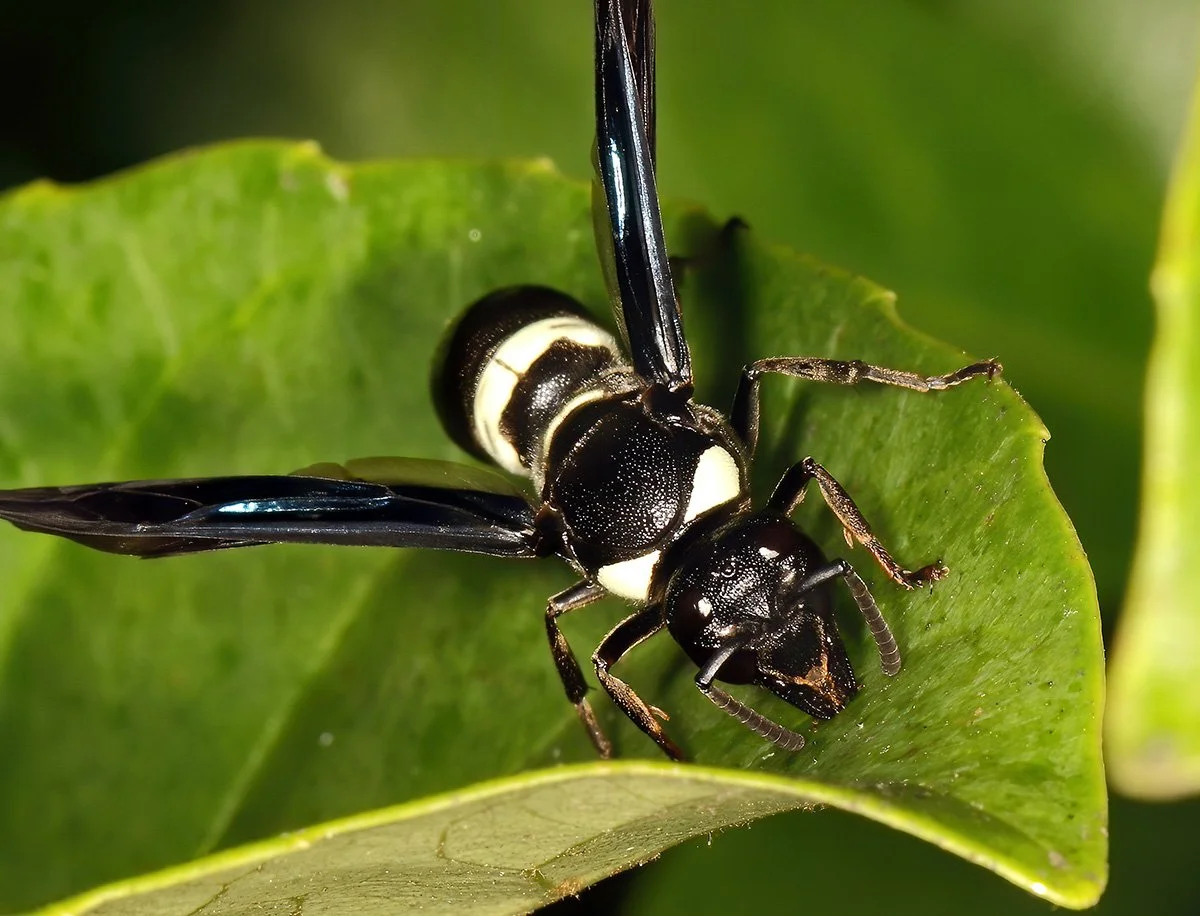
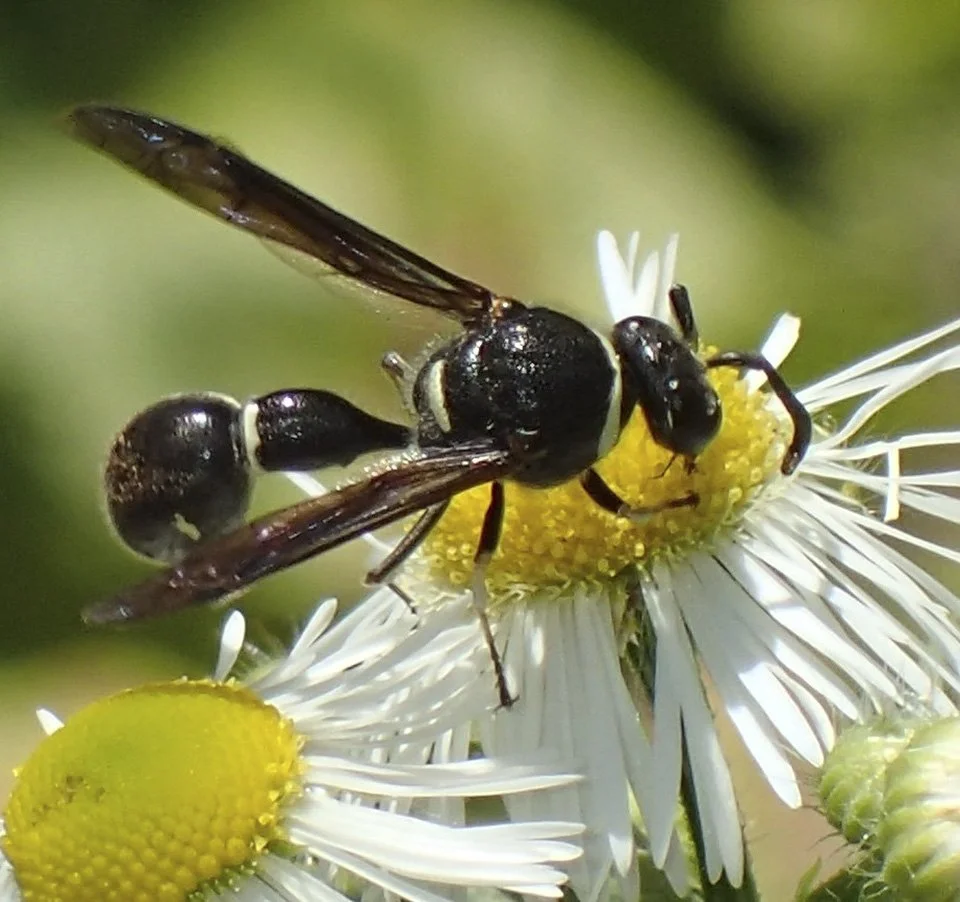
Potter & Mason Wasps – Solitary wasps that build tiny clay pots or use small cavities to raise their young. Most people never notice them, but they're fascinating little architects.
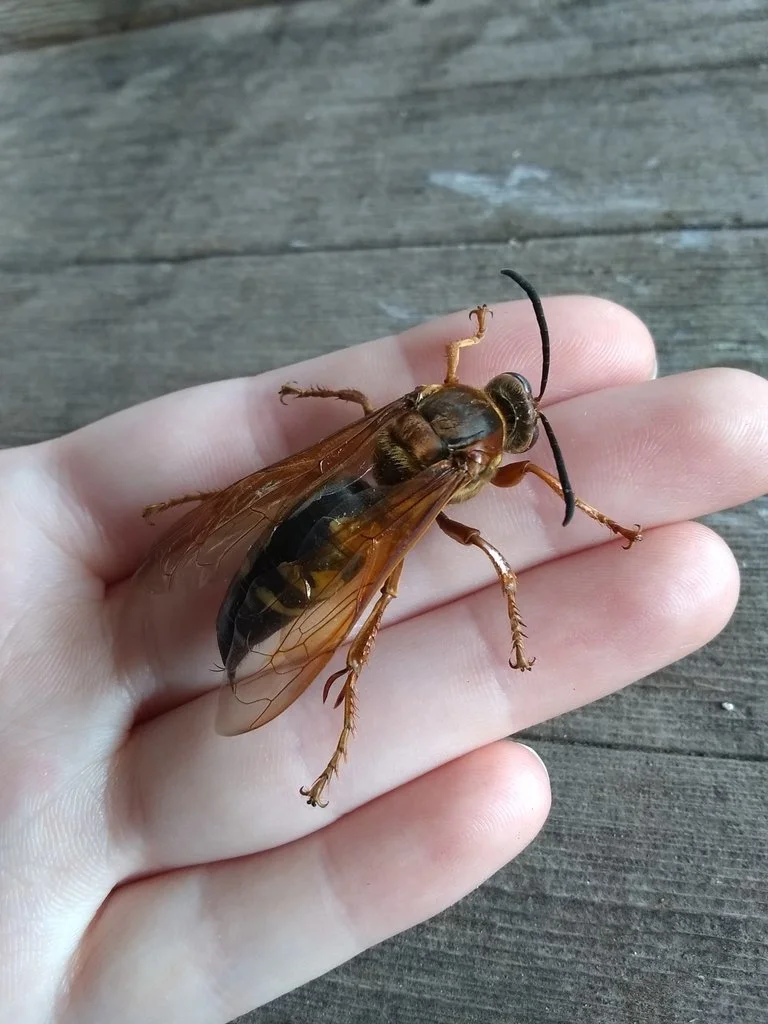
Cicada Killer Wasps – If you've never seen one before, congratulations...you've probably just mistaken it for a small helicopter. These giant wasps can be startling because of their size, but they're remarkably gentle. The females spend their time catching cicadas to feed their larvae, while the males—despite acting like tiny security guards—can't sting at all.